
Case study/Pepsi
Pepsi saves over $1,000,000 with a new recruitment strategy
Pepsi is built to sell soda, not to recruit. We built the recruitment engine: proactive campaigns across three channels, in 205 U.S. markets, that filled a national frontline pipeline and proved it.
- Annual savings
- $1.4M
- Applications driven
- 39K
- More applications per dollar, YoY
- 2.6x
- Higher new-hire retention
- 22%
The goals
A pipeline to fill, and the proof it worked
Pepsi needed a steady supply of qualified CDL drivers, warehouse workers, and merchandisers across a long list of local labor markets. Volume alone would not fix it: the applications had to be qualified, and the program had to prove it.
Recruitment marketing for a brand this size is a different problem than consumer marketing for the same brand. The audience is not shoppers, it is shift workers evaluating a job posting against three competing employers in the same labor market, often on a phone, often in the last few minutes before a shift starts. The creative, the targeting, and the landing experience all had to be built for that moment, not repurposed from a product campaign.
- Drive recruitment
- Increase retention
- Reduce cost per application
The solution
Three channels, two phases, one national framework
Proactive and reactive marketing across Facebook, Instagram, Display CPM, and Google Search to reach qualified applicants.
A three-month multi-goal data beta that produced the learnings, then scaled into a successful national campaign.
A recruitment brand built to appeal to Pepsi frontline workers, in accordance with PepsiCo guidelines.

How it ran on GPS
Every application traced back to the channel that produced it
The program launched on Conduit’s GPS foundation: GTM, GA4, and offline-conversion tracking configured and verified before the first ad ran, so every qualified application could be attributed to the specific channel, creative, and market that produced it, not modeled after the fact.
That tracking is what let the ten-market beta produce real learnings instead of a guess: the team could see which channels were producing applicants who actually stayed employed, not just applicants who clicked, and scale the national rollout around what the data showed rather than what looked good in a platform dashboard.
The results
Cheaper applications that stayed
- More applications per dollar, year over year
- 2.6x
Qualified applications got cheaper as the model scaled.
- Annual recruitment savings
- $1.4M
Attributed to the marketing program.
- Applications driven
- 39,000
Qualified applicants into the national pipeline.
- Higher new-hire retention
- 22%
The proof the applicants were qualified, not just cheap.
Measured with offline-conversion data and applicant-tracking-system collaboration, not platform estimates.
The signal in the search data
Branded searches flipped from “coca cola jobs” to “pepsi jobs.”
Within two years, in many of the states we advertised in, the branded recruitment search people actually typed switched sides. The map replays that shift.
States where “pepsi jobs” overtook “coke jobs”
Source: Google Trends, branded recruitment terms. Tile map is a directional illustration of the shift.
Hear it from the team
The people who ran the Pepsi campaign, on camera
Strategy, the ten-market beta, and what actually moved the numbers, told by the team that did the work.
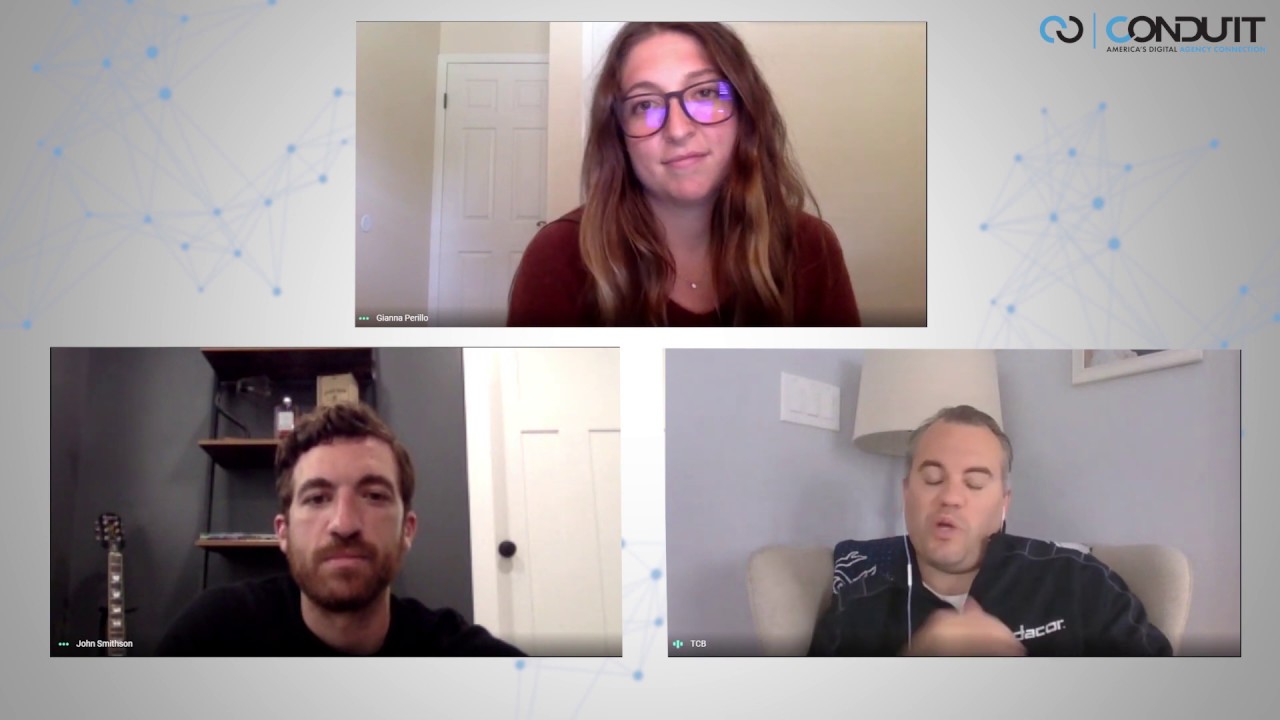
You specifically won the Pepsi digital recruitment campaign bid because of your national reach with local authority, which enables us to have access to industry data and trends in addition to our vertical expertise and ROI focus.
The challenge
A brand built to sell soda, asked to fill a hiring pipeline
Pepsi is engineered to move product off shelves, not to recruit. Its partner agency needed a recruitment engine to keep a wide, specific pipeline full: CDL drivers, warehouse workers, and merchandisers across a long list of local labor markets, each with its own shifts and its own competition.
The pipeline ran hot and expensive. Cost per application was high, turnover was costly, and every unfilled route or short shift was capacity the business could not use. Volume alone would not fix it. The applications had to be qualified, and the program had to prove it.
The strategy
Three coordinated channels, in two phases
- Three coordinated recruitment channelsFacebook and Instagram, Display, and Google Search ran together, each tuned to reach qualified applicants for specific roles and markets.
- Phase 1: a three-month data betaA multi-goal beta ran in 10 markets during the off-season to refine creative, targeting, and channel mix before any national spend committed.
- Phase 2: scaled to 205 U.S. marketsThe proven model expanded to 205 markets with localized strategy inside a single national framework.
- Measured on quality, not just volumeOffline-conversion data plus applicant-tracking-system collaboration measured applicant volume and applicant quality together.
The results
Two phases. Four numbers that moved.
- More applications per dollar, year over year
- 2.6x
Qualified applications got cheaper as the model scaled, not more expensive.
- Return on recruitment investment
- 138%
Measured against recruitment spend, not impressions.
- Recruitment savings
- $1.4M
Across 205 U.S. markets in a single national framework.
- Lower employee turnover
- 7%
The proof the applicants were qualified, not just cheap.
Bars show the relative size of each win. Every number traces back to offline-conversion data and applicant-tracking-system collaboration, not platform estimates.
The result
Cheaper applications that stayed
The two-phase approach delivered $1.4 million in recruitment savings on a 138 percent return on investment, with cost per application down 61 percent year over year. The 7 percent drop in employee turnover is the proof the applicants were qualified, not just cheap.
All of it ran under the partner agency’s brand. The agency owned the relationship and the reporting; the fulfillment stayed invisible to the client, which is exactly how a white label engagement at this scale is supposed to work.
How it was built
Two phases: prove it, then scale it
- Phase 1: a three-month data beta in 10 marketsBaseline hiring data gathered across role types, targeting strategies and creative variations tested, job-specific audience profiles built per role, and every job description put through HR compliance review before scale.
- Phase 2: 205 markets, localized at scaleThe proven strategy expanded nationally with custom job branding per role and location, more than 7,000 ad variations adjustable in real time, local input from general managers in over 130 markets, and campaigns paused dynamically as quotas filled.
Creative targeting
Three placements that are not on a standard media plan
- Whitelisted trucker appsCDL candidates reached inside the apps they already use daily, a precision channel most recruitment marketing overlooks entirely.
- Geofenced former retail sitesDisplaced warehouse and retail workers targeted by geofencing closed Toys R Us loading docks, reaching candidates whose skills transferred directly.
- Salary and benefits by locationLocation-specific ads led with compensation for that market, giving candidates the detail they needed to self-qualify before clicking.
The filter
A 90-minute application changed the targeting math
Pepsi's application took about an hour and a half to complete. That length is usually treated as a conversion problem to be solved, but here it worked as a qualifier: only genuinely motivated candidates finished it.
The consequence was that the campaign had to pre-qualify before the click rather than after it. Targeting and creative carried the filtering load, so the applications that arrived were from people who intended to finish.
What carried the result
Three things worth taking from this program
- The beta phase is where the money is madeThree months across 10 markets is what made the 205-market rollout work. Going straight to scale spends budget on unproven assumptions.
- Unconventional placements beat conventional onesTrucker app whitelisting and retail geofencing are not in a standard plan, which is exactly why they worked. Reach the audience where it already is.
- Better targeting produces better employeesThe 22% retention improvement is the strongest proof point here. Quality targeting does not just fill roles, it improves who fills them.


