Why Audio Belongs in the Retargeting Stack, Not Just the Awareness Budget
Audio gets sold as an awareness play and budgeted accordingly. Its real value is filling the screenless gaps a retargeting sequence otherwise misses, if it gets planned that way.
Audio almost always gets pitched to clients as an awareness play and budgeted accordingly, one line at the top of the funnel, disconnected from the retargeting sequence running underneath it. That is a real underuse of the format. The screenless moments audio reaches, driving, exercising, doing chores, sit at the center of the medium's growth: Edison Research's 2026 Infinite Dial found 58 percent of Americans age 12 and up, an all-time high, consumed a podcast in the past month, and those hours are exactly the moments a display or search retargeting sequence goes dark, because there is no screen to serve an impression to.
The gap in a screen-only retargeting sequence
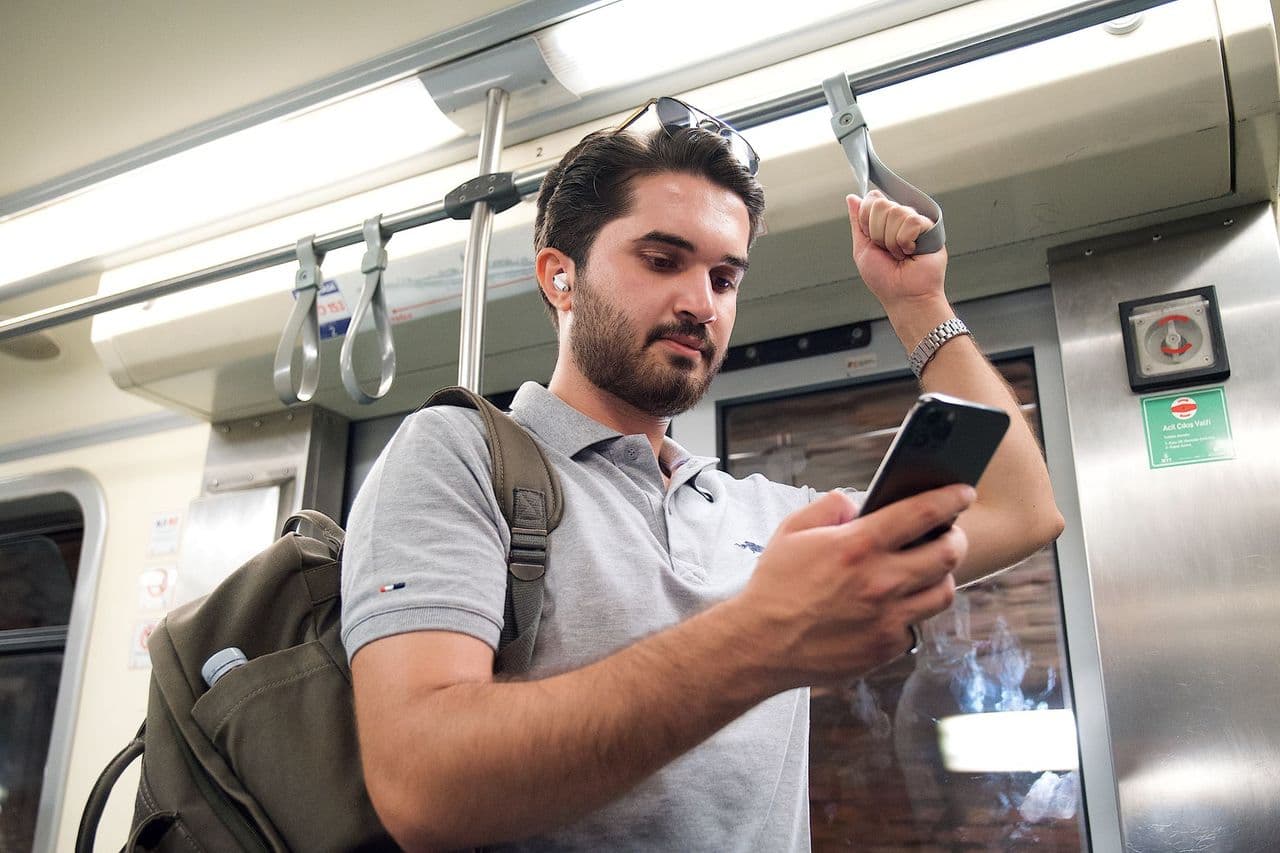
A standard retargeting sequence runs on browser and app signals: someone visits a page, does not convert, and gets followed by display or social impressions until they come back or the frequency cap runs out. That sequence has a structural blind spot, it can only reach a prospect while they are looking at a screen. Every commute, workout, or chore-filled hour where that same prospect is listening to a podcast or a playlist is a gap in the sequence, not because the prospect went cold, but because the retargeting stack has no way to reach them there.
That gap is not a rounding error in a media plan. A prospect who drives to work, works out with headphones in, or does an hour of chores with a podcast running is spending real, sustained time in exactly the state a screen-only retargeting sequence cannot see, and a frequency plan built only around display impressions is quietly losing touch with that prospect for a meaningful share of their day, then wondering why the sequence takes longer to close a warm lead than the funnel math predicted.
Audio fills exactly that gap, and it can do it with the same custom-audience logic a display retargeting campaign already runs on. Spotify's audience targeting supports building custom audiences from an uploaded customer list or a lookalike model, which means a client's existing retargeting list can extend into audio rather than requiring a separate, disconnected audience strategy built from scratch.
Companion display closes the loop the other direction
The reverse gap matters too. Someone hears an audio ad, is not in front of a screen, and cannot click anything in that moment even if the message landed. Spotify's display ad format is built to run alongside whatever is playing specifically to give that impression a visual, clickable surface the next time the listener is in the app. That companion pairing, audio for the screenless reach, display for the moment attention returns to a screen, is closer to how OTT campaigns already get planned against search and social than it is to how audio typically gets planned in isolation, and treating it as a separate silo throws away that structural fit.
Spotify's audio ad format also supports an optional Canvas element, a short looping visual that appears on screen for a listener who happens to glance at the app while the spot plays, which functions as a small companion surface built into the audio placement itself rather than a separate line item. It will not reach the driving or exercising moments the audio track is built for, but for the share of listens that do happen with a phone in hand, it gives the same message a visual reinforcement without requiring a second buy.
Measuring audio's assist role instead of forcing it into last-click
The mistake that kills a lot of audio line items at renewal time is measuring the format against last-click conversion, a standard it was never built to win. Spotify's own measurement stack includes Brand Lift studies for ad recall, awareness, and purchase intent, a Pixel and Conversions API for tying exposure to downstream actions, and support for multi-touch attribution models that credit audio for its role in a longer path rather than expecting it to close the sale on its own. An agency that reports audio's performance the same way it reports a search campaign is setting the format up to look like it failed, when the actual failure is the measurement framework applied to it.
This is where incrementality testing earns its keep specifically for audio. Because the channel's value shows up as an assist, not a final click, the real test is whether a client's overall conversion rate or brand metrics move when audio is added to a media mix that already includes search, social, and display, compared against a holdout without it. That is a harder test to run than reading a last-click report, and it is the only one that actually answers whether the audio spend is doing anything.
Setting that test up is more work than turning on a Brand Lift study, but it is the only version of the question a skeptical client's finance team will actually accept. A holdout market or holdout audience run for a full reporting cycle, with the rest of the media plan held constant, gives a real answer to whether adding audio moved anything, instead of an agency asserting an assist role the client has to take on faith because the last-click report cannot show it directly.
Sequencing audio inside a full-funnel media plan
The sequencing mistake most media plans make with audio is treating it as a single stage instead of a channel that can play a different role at each stage of the funnel. A cleaner sequence looks like this, and it maps onto the same targeting layers covered above rather than requiring anything new:
- Top of funnel: contextual targeting against genre and podcast category builds broad reach without needing a warm audience list yet, functioning the way a prospecting display campaign would
- Mid funnel: behavioral targeting against listening habits narrows the buy toward listeners whose profile already resembles the client's existing customers, paired with companion display so the impression has a clickable surface
- Bottom of funnel: custom audiences built from the client's own retargeting list or a lookalike model close the loop, reaching a warm prospect in the screenless hours a display-only retargeting sequence cannot touch
Running all three stages inside audio does not mean tripling the budget, it means allocating the existing test budget across stages the way a search or social budget already gets split between prospecting and retargeting, rather than pouring the entire audio line into one contextual bucket and calling it done.
Frequency capping across two channels sharing one audience
Once audio and display are both reaching the same custom audience, frequency capping has to account for both, or a client ends up over-served by the combined impression count without either channel showing it in isolation. The cleanest way to manage that is routing both through the same demand-side platform where possible, which is the practical case for using Spotify Ad Exchange rather than Ads Manager once a client's retargeting stack is already unified elsewhere: shared frequency capping and a single reporting view across audio and display instead of two systems that cannot see each other's delivery.
Where a unified DSP is not an option, the fallback is a manual frequency budget split between the two channels, agreed with the client's ad ops contact before launch, and revisited if either channel's delivery data shows the combined frequency running hotter than planned. That conversation is worth having explicitly in the kickoff rather than assuming it will sort itself out once both channels are live.
Creative rotation matters more in a sequenced plan than it does when audio runs as a single, isolated line. A listener moving from a contextual impression to a behavioral one to a custom-audience retargeting spot over several weeks should not hear the identical thirty-second read at every stage; message fatigue sets in for audio the same way it does for display, and since Spotify's Creative Lab already puts creative quality at roughly half of what determines a campaign's return, budgeting two or three creative variants across the funnel stages protects that return instead of letting one script carry the entire sequence.
Answering the finance team objection to incrementality testing
The objection that kills an incrementality test before it starts is usually a budget one: a client's finance team does not want to run a holdout because a holdout means deliberately not serving audio to part of the addressable audience, which reads as leaving performance on the table. The answer is to frame the holdout as a bounded, time-limited measurement cost, not a permanent tradeoff. A single reporting cycle with a geographic or audience-segment holdout, run once, produces a real answer to whether audio moved anything; it does not need to become a standing feature of every future flight once the answer comes back.
A geographic holdout is usually the easier version to sell into a client's finance team than an audience-segment holdout, because it is simpler to explain and simpler to audit after the fact: audio runs in every market except one comparable market, held constant on every other channel, for the length of the test. If the served markets outperform the holdout market on the metrics that matter, the incrementality case is made in terms a skeptical finance team can actually check themselves, not just take on the agency's word.
What this means for how audio gets budgeted
- Stop budgeting audio as a standalone awareness line disconnected from the retargeting sequence it should extend
- Build custom audiences in audio from the same lists driving display and social retargeting, not a separate cold audience
- Pair audio with companion display so the screenless impression has a follow-up surface once the listener returns to a screen
- Report audio against brand lift and multi-touch attribution, not last-click conversion, and use incrementality testing to validate the spend
Getting this right requires a media plan where audio is coordinated with the rest of the retargeting and display stack from the start, not bolted on afterward as a separate line item with its own disconnected reporting. Conduit's white label Spotify advertising service plans and buys audio alongside a client's existing display and OTT work specifically so the frequency and audience logic stays connected across formats instead of fragmenting into channel silos.
Services mentioned