
White Label Link Building for Cannabis Brands
Last updated September 2026
White label link building gives your agency real, live-URL placements for cannabis clients locked out of Google and Meta advertising, digital PR to legitimate cannabis trade press, category-appropriate guest content, and disciplined anchor text. Conduit runs the outreach; your agency owns the client relationship.
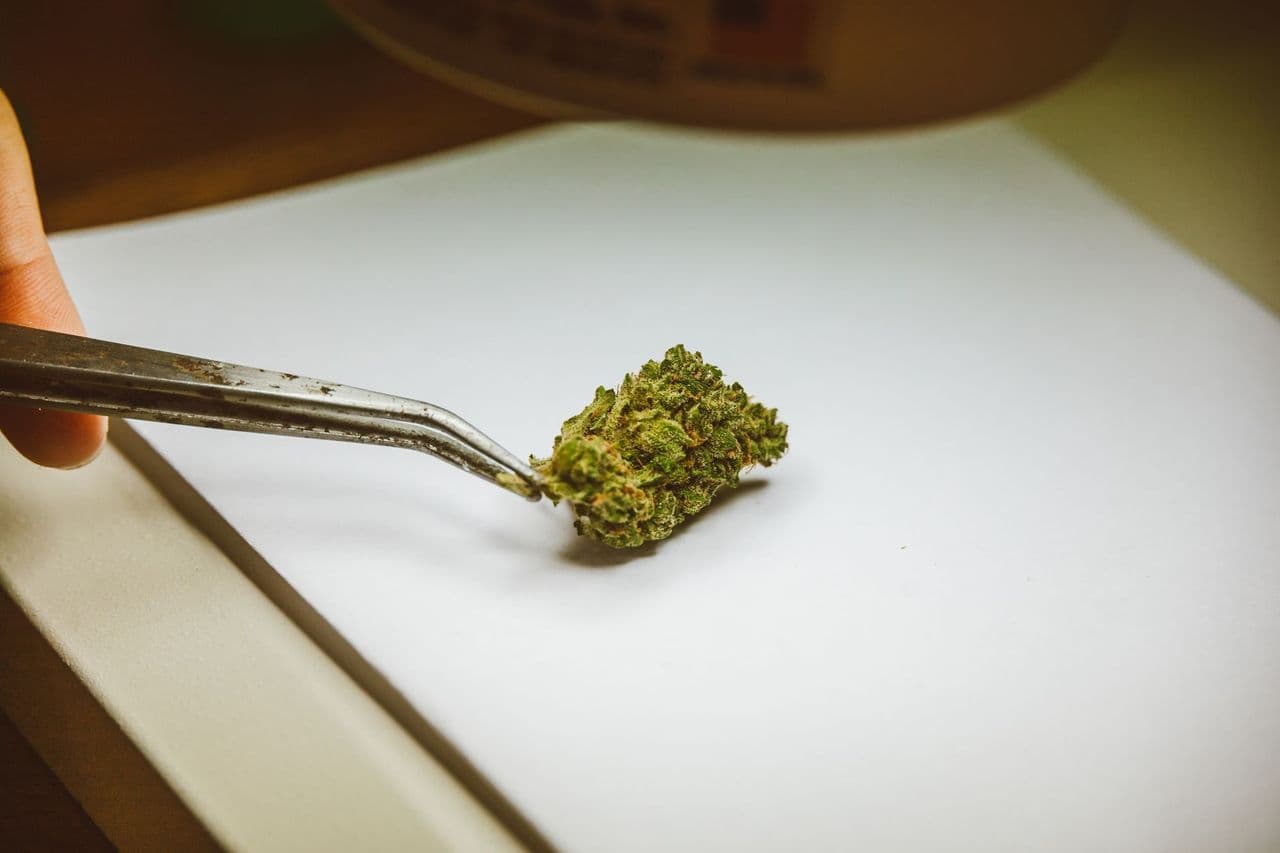
Cannabis brands cannot buy their way to visibility the way almost every other client an agency serves can. Google still largely prohibits promoting THC-containing products and Meta bans plant-touching cannabis advertising outright across its entire platform, per Google's own cannabis advertising policy and Meta's Drugs and Pharmaceuticals policy. That leaves organic authority, and the backlink profile that builds it, as one of the only scalable growth levers a dispensary, brand, or MSO actually has, in a market MJBizDaily projects at $30.5 billion in regulated US sales for 2026 and growing toward $60 billion by 2030.
Conduit runs link building for agencies serving cannabis, hemp, and CBD clients as a white label partner. Your agency owns the client relationship and sets the retail price; Conduit runs the digital PR outreach, category-appropriate guest placements, and anchor text discipline that build real domain authority for a category where earned links carry more of the growth burden than in almost any other vertical Conduit serves.
This is also a category where the standard in-house hiring path underperforms in a specific, predictable way. A single link building specialist learning cannabis from scratch has to build an outreach list of publications willing to cover the category, learn which cannabis-specific directories carry real citation value versus which are thin link farms, and track a legal patchwork that changes which claims are even safe to make, all before sending a first pitch. A white label partner that already runs this exact playbook across multiple cannabis and cannabis-adjacent accounts has already built that outreach list and that judgment; an agency hiring one generalist link builder is starting the entire research phase over on its first cannabis client.
01
Why link building carries more weight in cannabis than almost anywhere else
The paid-channel lockout is not a minor inconvenience, it reshapes the entire budget. Cannabis brands spend only about 5 to 8% of their operating budget on marketing according to Digiday's reporting on cannabis ad budgets, with just 16% of that thin budget going to retail media versus 39% for CPG brands generally, a category still catching up to what its ad spend should look like relative to its actual sales volume. When a brand cannot simply outspend a mediocre organic strategy by buying its way onto Google or Meta, the channels that are not gated, SEO and the backlink profile underneath it, stop being a nice-to-have and become the primary lever the entire growth plan runs through.
The legal patchwork adds a second layer most link building programs in other verticals never have to account for. With 24 states and Washington D.C. allowing adult-use cannabis and 16 more running medical-only programs, per NORML's state-by-state legal tracker, a link building and digital PR strategy that works for a client operating in a fully legal adult-use state can be entirely wrong for a client two states over under a medical-only program, since the publications willing to cover a story, and the language a placement can safely use, shift with the same patchwork that shapes everything else in this category.
None of this is a case for skipping paid channels where they do exist. Narrow, compliant paid paths remain open for CBD and ancillary brands under LegitScript certification and Google's stricter documentation requirements, and programmatic display or OTT inventory through cannabis-friendly exchanges reaches audiences the walled gardens will not touch for plant-touching brands. Link building is the highest-leverage lever in this category precisely because it is not gated the way paid search and paid social are, not because paid media has no role at all; a full channel plan still uses every legitimate door that is open, it just cannot lean on the ones that are closed.
02
What the benchmarks actually say
The underlying SEO mechanics in cannabis are the same ones that govern every other vertical: Ahrefs' large-scale study of nearly one billion pages found that the vast majority of pages with zero referring domains get effectively no organic traffic from Google, and that the number and diversity of referring domains correlates more strongly with rankings and traffic than raw backlink count does. A handful of links from genuinely different, relevant domains outperforms a large volume of links from the same low-quality source, which matters enormously in a category where low-quality, cannabis-specific link networks are easy to find and tempting to buy in bulk.
That diversity signal is what makes digital PR the highest-value tactic available to a cannabis client specifically. Cannabis has become a legitimate news beat, with reporters at MJBizDaily, Cannabis Wire, and general-business desks regularly covering regulatory shifts and market trends, which means a well-pitched data point or expert commentary earns a placement on a genuinely authoritative, topically relevant domain, exactly the kind of link Ahrefs' data shows correlates most strongly with real ranking movement, rather than a purchased slot on a link farm built to sell cannabis backlinks at volume.
It is worth being direct about what these correlation studies do not claim. Referring domain diversity correlating with rankings is not the same as any single link guaranteeing a ranking jump, and a cannabis client should hear that distinction clearly: link building here compounds over months of consistent, relevant placements, it is not a lever that produces an overnight jump the way a single viral placement sometimes appears to in less-regulated categories with a bigger available pool of outlets to pitch.
03
What we build for a cannabis link building program
The placement mix leans heavily on outlets that already cover cannabis as a beat: digital PR pitches built around a client's own data, a dispensary's regional sales trends, a brand's product-testing results, sent to cannabis trade press and general-business reporters covering the category, and guest content placed on health and wellness publishers for CBD-adjacent brands where the fit is editorially natural rather than forced. Anchor text discipline matters more here than in a less-scrutinized vertical: natural, varied anchor phrasing rather than exact-match, money-keyword anchors repeated across placements, since a cannabis site already sits under closer platform and search-engine scrutiny than most, and an over-optimized anchor profile is one of the more obvious signals a manual review can catch. Local and category-specific citations round out the mix: listings on cannabis-specific directories like Weedmaps and Leafly function as both a discovery channel and a legitimate citation source, distinct from general-purpose local directories, and comparison or listicle placements on sites already ranking for buyer-intent cannabis keywords route real, qualified traffic through the link rather than link equity alone. Every placement is verified as a live, indexed URL before it is reported, never a private network or a link the client cannot independently confirm exists.
- 01
Digital PR outreach to cannabis trade press (MJBizDaily, Cannabis Wire) and general-business reporters covering regulatory and market trends, built around a client's own data or expert commentary
- 02
Guest content on health and wellness publishers for CBD and ancillary brands, placed where the editorial fit is genuine rather than forced
- 03
Category-specific directory citations (Weedmaps, Leafly, state-specific cannabis directories) alongside standard local citation building
- 04
Disciplined, varied anchor text, avoiding exact-match money keywords repeated across a placement set
- 05
Comparison and listicle placements on sites already ranking for buyer-intent cannabis keywords, prioritized for topical relevance over raw domain size
Takeaway
Every placement is verified as a live, indexed URL before it is reported, never a private network or a link the client cannot independently confirm exists.
04
Google's spam policies apply to cannabis exactly like anywhere else, and the category adds its own restriction
Cannabis link building gets no special exception from Google's spam policies, which define a link scheme as any practice that manipulates links to or from a site with intent to manipulate ranking, explicitly including large-scale guest posting or article marketing campaigns run primarily for link acquisition, buying or selling links that pass ranking credit, and keyword-stuffed or manipulative anchor text. Cannabis sites already draw more platform and regulatory scrutiny than most, which makes an aggressive, obviously manipulative link profile a worse risk here than in a less-watched vertical, not a smaller one.
The category also carries a practical restriction most verticals do not: a meaningful share of mainstream guest-posting and digital PR outlets simply decline cannabis content outright, regardless of how compliant or well-sourced it is, purely as a category-level editorial policy. That shrinks the addressable pool of legitimate placement opportunities compared to a less-restricted industry, which is exactly why the low-quality cannabis-specific link-selling networks exist to fill the gap, and exactly why an agency should treat any offer of guaranteed bulk cannabis placements as the red flag it is rather than a shortcut worth taking.
There is a real, straight limit worth naming here too: even a well-run cannabis link building program moves slower than the same program would in an unrestricted vertical, simply because the addressable pool of willing, editorially independent publishers is genuinely smaller. An agency setting client expectations should say so directly rather than promise a placement velocity the category's own editorial restrictions make structurally unrealistic.
See how this runs under your brand
Twenty minutes with the pod that runs it. Bring one client and we will tell you if it is a fit.
05
How it runs on GPS
Every Conduit engagement starts with GTM, GA4, and Conversion Clarity configured and verified before outreach begins, so a client can see organic traffic and ranking movement on the terms link building is actually meant to influence, tracked against the same conversion tracking layer used for every other channel in a cannabis engagement, menu clicks, direction requests, and calls, since half the usual paid-channel attribution toolkit simply does not exist for plant-touching clients.
Fulfillment runs through a specialist pod that already tracks which publications accept cannabis content, which cannabis-specific directories carry real citation value, and how platform and search-engine scrutiny of this category is shifting in real time, the same white label model Conduit has run since 2017 across more than 250 partner agencies, protected by a non-solicitation agreement so the client relationship stays with your agency.
Conduit already ranks, not just advises, in this category: guides published on cannabis content and internet marketing hold page-one positions for competitive terms, direct evidence of the same earned-link discipline your agency's client needs, not a claim borrowed from someone else's case study. That proof point sits alongside Conduit's broader white label versus in-house case: a specialist pod that has already solved the hard version of a problem is a different proposition than a generalist agreeing to learn cannabis on the client's clock.
06
Common mistakes agencies make with cannabis link building
The most damaging mistake is buying bulk placements from a cannabis-specific link-selling network, a shortcut that exists precisely because mainstream outlets restrict this category, and one that Google's spam policies treat as a link scheme regardless of how the seller markets it. The second is over-optimizing anchor text with exact-match money keywords across every placement, a pattern that stands out more on an already-scrutinized cannabis domain than it would elsewhere. The third is skipping digital PR entirely in favor of directory submissions alone, missing the highest-authority link opportunities this category actually has available in its own legitimate trade press. A fourth, quieter mistake is failing to audit a client's existing backlink profile before starting new outreach, inheriting a prior vendor's low-quality cannabis link network without disclosing that risk to the client until a ranking drop forces the conversation.
Fixing all three comes down to the same discipline Conduit runs across every vertical: build placements on genuinely relevant, editorially independent domains, vary anchor text naturally, and lead with digital PR to cannabis trade press before falling back to directory citations alone.
07
What the first 90 days looks like
The first month is research and outreach-list building: mapping which trade publications and general-business reporters cover the client's specific state and category, auditing the existing backlink profile for any prior low-quality or manipulative links that need disavowing, and configuring GTM, GA4, and Conversion Clarity so link-driven traffic can be measured against real business outcomes. The second month is when digital PR pitches and the first guest placements go out, timed around any data or expert commentary the client can genuinely offer. By the third month the reporting should show real, live-URL placements and early referring-domain growth, giving your agency concrete evidence to bring to a client who has likely already been burned once by a vendor promising bulk cannabis links that turned out to be a link farm. Agencies weighing whether this specialist capability belongs in-house should review the full white label versus in-house comparison and Conduit's pricing against the real cost of building this outreach relationship base from scratch.
Cannabis link building is slower and more selective than link building in a less-restricted category, and that is the correct trade-off given what is actually at stake: a manipulative link profile draws exactly the kind of scrutiny a cannabis client can least afford. An agency that builds this discipline correctly is protecting the one growth channel the category cannot simply pay its way around.
08
Why this discipline matters beyond cannabis
The pattern cannabis demands, treating link building as a slow, editorially-earned discipline rather than a volume game, is exactly the standard Conduit applies to every category where the fast, cheap version of link acquisition is also the version most likely to draw a manual action or a platform penalty. An agency that trusts a partner to run cannabis link building correctly is trusting the same partner's judgment on any other client where a vendor's promise of guaranteed placements at scale should raise the same question: relevant to what, publisher, and earned how, through outreach or through a purchase dressed up as one, a question worth asking of any vendor's pitch, cannabis or otherwise, before signing off on it and putting a client's own domain at risk.
Choosing a link building partner for a cannabis client is really a decision about how much risk an agency is willing to absorb without visibility into it. A generalist vendor asked to build links for a cannabis site will either reach for a private network or a bulk guest-post service because the legitimate placement pool is genuinely smaller, or it will underperform because it does not know which cannabis trade outlets are worth pitching and which cannabis-specific directories carry real citation weight versus none at all. A partner that has already mapped the legitimate outlets, already knows which cannabis-friendly directories matter, and already disciplines anchor text on every placement removes that risk before it becomes the agency's problem to explain to a client six months into the engagement.
That standard matters just as much for CBD and ancillary businesses, packaging, consulting, equipment, as it does for plant-touching brands, since each category faces a different mix of platform and editorial restrictions and needs its own outreach approach scoped to what actually applies rather than one generic cannabis template stretched across every sub-category. Scoping each client to the strictest standard that applies to its specific category, and writing that scoping decision down, is the same discipline Conduit runs across compliance-sensitive verticals generally, not a cannabis-only exception. An agency that gets this scoping right for a cannabis client is usually, correctly, trusted with the same discipline on any other regulated category it serves, since the underlying judgment, know the actual rule before pitching the placement, transfers directly regardless of which regulated category the next client happens to sell into.
That state-by-state pacing also affects how a multi-state MSO's link building budget should be allocated across its footprint. A brand operating in a mature adult-use market with years of press coverage already built up needs a different placement cadence than the same brand entering a newly legalized medical-only state where trade press coverage is only beginning to form, per NORML's state tracker, and a flat, identical budget split across every state in the footprint under-serves whichever market is earliest in its own coverage cycle.
Key terms


