
White Label Facebook Ads for Restaurants
Last updated September 2026
White label Facebook ads for restaurants runs cheap, high-frequency local campaigns built around day-parting, menu cycles, and radius geofencing rather than one evergreen ad. Conduit manages Instagram-led creative and Advantage+ targeting under your agency's brand, with GPS tracking tying a promoted offer to actual reservations, orders, and foot traffic, not just impressions.
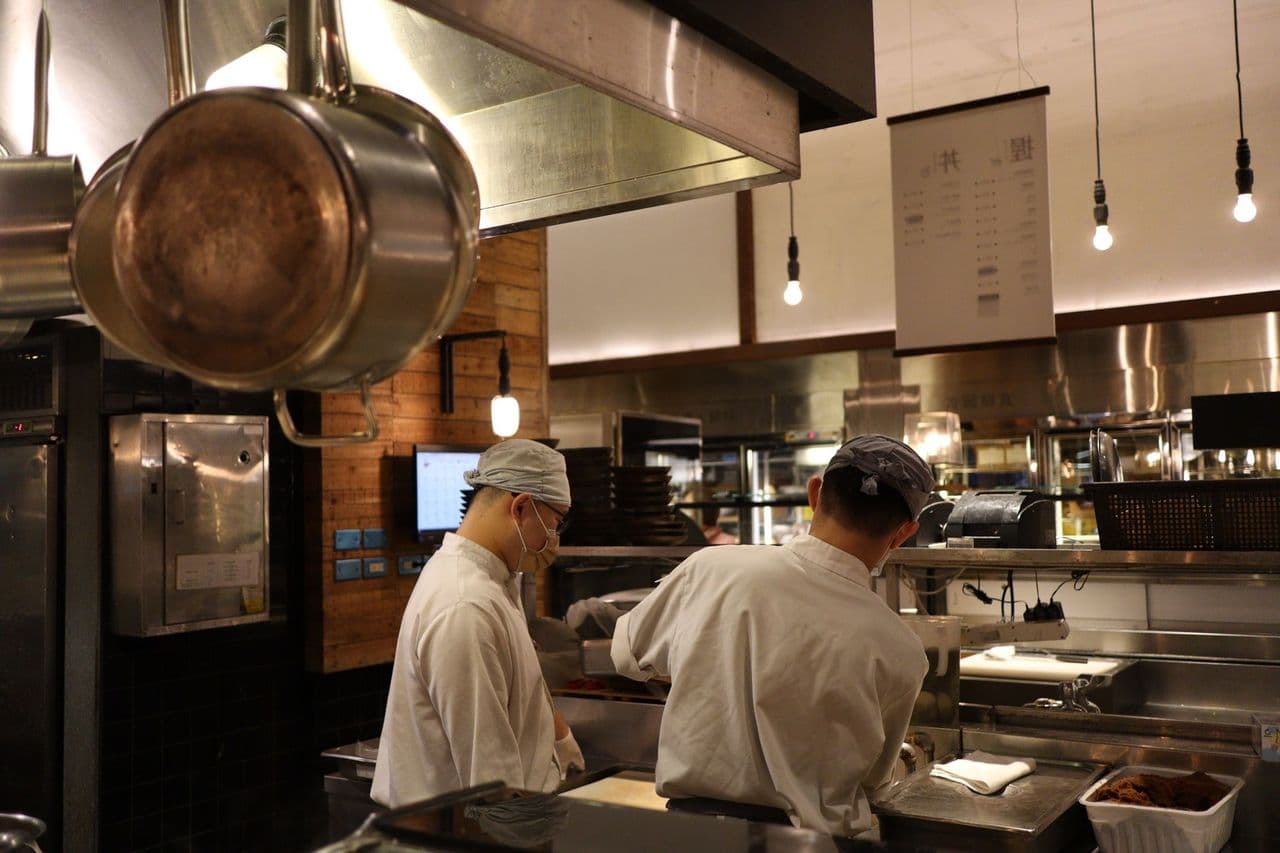
Restaurants are the cheapest category in this entire playbook set to reach on Meta, and the reason is almost entirely creative, not competition. Per WordStream's 2025 Facebook Ads Benchmarks, Restaurants & Food posts a $0.72 traffic CPC, a $0.74 lead CPC, and a striking 18.25% lead conversion rate, working out to just $3.16 per lead, the lowest cost per lead of any category the report tracks. Food photography and video are simply among the most engaging content formats on the platform, and a restaurant client sitting on real menu items is sitting on cheap, high-performing creative most other verticals have to work much harder to manufacture.
That cost advantage does not mean restaurant marketing is easy to run well. A restaurant's decision window is measured in hours, not weeks, per BrightLocal's Local Consumer Review Survey most diners check reviews before choosing where to eat tonight, not next month, which means the campaign has to be current, geographically tight, and running constantly rather than set once and left alone. White label Facebook ads for restaurants is Conduit's answer to that operational load: your agency owns the client relationship and sets retail pricing, Conduit runs the day-parted, geofenced campaigns and keeps menu-driven creative current.
The industry backdrop makes that operational discipline matter even more. Per the National Restaurant Association's 2026 outlook, restaurants are navigating persistent cost increases even as consumer demand holds steady, which means every dollar spent on marketing needs to work harder and prove itself in actual covers and orders, not just impressions, than it did a few budget cycles ago.
That demand picture holds up in the industry's own research too. Per the National Restaurant Association's 2026 State of the Restaurant Industry report, consumer interest in dining out remains resilient even as operators manage tighter margins, exactly the backdrop against which a restaurant's marketing spend has to work harder per dollar than it did when costs were lower.
01
Why restaurant marketing runs on hours, not weeks
The restaurant decision cycle is the shortest of any vertical in this playbook set. A diner deciding where to eat tonight is typically choosing within a window of a few hours, and per BrightLocal's Local Consumer Review Survey, review recency and star rating both weigh heavily on that same-day decision. A campaign advertising last month's special, or worse, a menu item the kitchen has since dropped, does not just underperform, it actively erodes trust with a diner checking the restaurant's page in real time before walking in.
That compressed timeline is also why radius and day-part targeting matter more here than in almost any other vertical. A campaign promoting a lunch special needs to be live and geofenced tightly around the restaurant's actual trade area during the two or three hours before lunch, not running as a flat, all-day budget that spends evenly whether or not anyone within driving distance is actually deciding where to eat right now.
Delivery and third-party ordering apps add a second layer of urgency to this same short window. Per Business of Apps' food delivery market data, delivery app usage remains a major share of how diners order, which means a restaurant's own Facebook and Instagram presence is competing not just with the restaurant down the street but with whatever a delivery app's own algorithm is surfacing at that exact moment.
Digital ordering habits reinforce how compressed that window really is. Per Toast's 2026 restaurant industry statistics, a growing share of restaurant transactions now happen through digital channels rather than a phone call or a walk-in, which means the moment a diner decides where to eat increasingly happens on a screen, scrolling a feed or an app, not standing in a parking lot deciding between two storefronts. That shift is exactly why a restaurant's Facebook and Instagram presence needs to be current and visually strong in that same moment, not a static brand page updated once a season.
02
What the benchmarks actually say
The $3.16 cost-per-lead figure from WordStream's 2025 data is genuinely the cheapest in the entire benchmark set, and the 18.25% conversion rate is the highest, both a direct result of how naturally well food content performs and how low-commitment a restaurant "lead", a reservation click, a menu view, a directions request, actually is compared to a home services quote or an insurance policy. That combination makes restaurants one of the most volume-friendly categories on the platform, which is exactly why frequency and consistency matter more here than in a vertical where each individual lead carries far more downstream value.
Those cheap numbers create their own trap if an agency treats volume as the only goal. A restaurant does not actually want maximum clicks, it wants covers during service hours and orders during a specific promotional window, and a campaign optimized purely for the cheapest possible click without day-parting or geofencing in place will happily rack up cheap engagement outside the hours or the radius where it can convert into an actual table filled or an order placed.
The right read on the benchmark is that restaurants can afford real creative volume, multiple ad variations per week, LTO-specific creative refreshed on the kitchen's actual promotional calendar, since the cost per unit of attention is so low. Under-investing in creative refresh here wastes the category's biggest structural advantage.
Social engagement data backs up why food content specifically performs so well. Per Cropink's 2026 restaurant social media statistics, food and drink posts consistently rank among the highest-engagement content categories across Instagram and Facebook, ahead of most other local business categories. That baseline engagement advantage is part of why the $3.16 cost-per-lead figure above is achievable in the first place: the platform's own delivery algorithm rewards content people are already inclined to stop scrolling for, and a restaurant's actual product, food, is unusually good at earning that stop.
Frequency matters as much as reach in a category this cheap to advertise in. Because the CPC is so low, it is easy to over-serve the same small local audience the same ad dozens of times within a single week, which burns budget on diminishing returns rather than reaching new households. Capping frequency and rotating creative on a real schedule, rather than letting a campaign run untouched because the raw cost metrics look fine, is a discipline that matters more here than in a higher-cost category where reach is naturally more limited.
03
What we build for a restaurant account
The channel mix leans on Instagram as much as Facebook itself, since food and drink content performs disproportionately well in that placement, paired with Advantage+ campaigns built around day-parting rather than flat all-day spend: a lunch push runs hardest in the two hours before lunch, a dinner push builds through the afternoon, and a weekend brunch campaign gets its own creative and its own schedule entirely.
- Instagram-forward creative built around real food and drink photography and video, refreshed on the kitchen's actual promotional calendar
- Day-parted Advantage+ campaigns matched to lunch, dinner, and weekend service windows rather than one flat all-day budget
- Tight geofenced radius targeting around the restaurant's actual trade area, since a diner three states away is not a realistic lead
- LTO (limited-time offer) creative cycles synced to the menu, pulled the moment an item is retired so the ad never promotes something the kitchen no longer serves
- Review and reputation content woven into campaign creative, since BrightLocal's own research shows recency and star rating drive same-day dining decisions directly
For multi-location and franchise clients, the same creative system runs across every location with local geofencing and local review content layered in per store, so a diner near location B is not shown a promotion or an address for location A. That amortization of one strong creative system across many locations is where restaurant Meta campaigns scale most efficiently.
Every restaurant account starts from the same baseline playbook Conduit runs across the restaurants industry vertical generally, adapted to that specific concept's actual menu, hours, and service style. A quick-service concept with a tight menu and fast turnover needs a different cadence than a full-service restaurant building toward reservations for a Friday night, and the CPC and CPL targets get set separately for each rather than benchmarked against one blended restaurant-category number.
04
How it runs on GPS
Every engagement starts with GTM, GA4, and Conversion Clarity configured and verified before a single campaign launches, with reservation clicks, directions requests, and online ordering clicks tracked as distinct events, since a restaurant client needs to know whether a campaign is filling a dining room, driving takeout, or both, not just producing an undifferentiated click count.
Where the client uses a reservation platform or an online ordering system with an available integration, GPS reporting ties campaign spend through to actual covers seated or orders placed, closing the loop between the cheap click WordStream's benchmark documents and the outcome the restaurant is actually paying for. That is the same conversion tracking discipline behind every Conduit engagement, adapted here to a vertical where the gap between an impression and an actual seated table needs to be measured directly, not assumed.
Reporting ships under your agency's brand and breaks performance out by day-part and by promotion, so a restaurant owner can see directly whether the lunch push or the dinner push is earning its budget, rather than one blended monthly number that hides which service window is actually working.
For a restaurant weighing where the next marketing dollar should go, the same SEO vs PPC sequencing question that applies in other verticals is worth asking here too: a brand-new location with zero online reviews and no organic search presence yet often gets more value from local SEO and review generation in its first few months than from paid social, since Facebook's cheap CPLs still assume there is a credible page and a real review profile for a curious click to land on.
See how this runs under your brand
Twenty minutes with the pod that runs it. Bring one client and we will tell you if it is a fit.
05
Where Facebook ads is not the right call
A single independent restaurant running on thin margins is a genuinely harder fit for this channel than the cheap benchmark numbers suggest, because the fulfillment overhead, weekly creative refreshes tied to a changing menu, day-parted scheduling, review monitoring, costs real agency time that a one-location account may not have the margin to support at a sustainable retainer. The channel's low CPC does not mean the labor to run it well is free.
A restaurant already operating at capacity, fully booked most nights with no meaningful open availability, is an even clearer case where new-customer acquisition spend is close to wasted; that budget is better redirected toward loyalty, review generation, or catering and private-event promotion where there is actual unfilled demand to capture, rather than toward driving more walk-ins to a dining room that cannot seat them.
Facebook earns its keep in this vertical most clearly for multi-location brands and franchise groups, where one creative system amortizes across many stores, and for any single location with genuine open capacity to fill. The right conversation with a capacity-constrained or margin-thin single-location client is naming that mismatch and proposing a lighter-touch retainer, or a different channel mix entirely, rather than running a full campaign against demand the restaurant cannot actually serve.
06
Common mistakes agencies make
The most common mistake is running one evergreen campaign with stale creative, promoting a seasonal item long after it has left the menu or a special that expired weeks ago. Given how directly BrightLocal's research ties recency to a diner's same-day decision, stale creative does not just underperform, it can actively damage trust when a diner shows up expecting a promotion that no longer exists. The fix is a creative refresh cadence built into the retainer scope from the start, not an ad-hoc update whenever someone remembers.
The second mistake is running flat, all-day budget pacing instead of day-parting around actual service windows, which spends evenly across hours when nobody is deciding where to eat and starves the two or three hours when everyone is. The third mistake is geotargeting too broadly, treating a restaurant like a destination business worth reaching across an entire metro area, when most restaurant decisions happen within a genuinely tight radius of where someone already is.
A fourth, quieter mistake is chasing the cheap cost-per-lead number as the only success metric without ever connecting it to actual covers or orders, which can make a campaign look excellent on a Meta dashboard while the dining room stays half-empty. The fix is the same GPS discipline described above: track the click, but report on the seated table or the placed order, since that is the number the restaurant owner actually cares about.
A further pattern worth naming is treating the ad account and the review profile as unrelated workstreams, when in this vertical they are functionally the same job. A restaurant running strong paid creative against a stagnant or declining review average is fighting itself, since a diner who clicks the ad and then checks reviews before committing sees the mismatch immediately. The fix is folding review monitoring and response into the same account team managing the paid campaign, not splitting the two across unrelated parts of the agency.
A fifth pattern worth naming shows up in how creative gets approved: a single owner-operator signing off on every ad personally introduces a real bottleneck exactly when speed matters most, a viral menu trend, a same-week weather-driven promotion, a last-minute staffing change that shifts hours. The fix is a pre-approved creative framework, agreed with the client once at account setup, that lets routine promotional variations launch without a fresh sign-off cycle every single time.
A sixth, closely related mistake is letting the same handful of creative assets run for months on end simply because the cost metrics look acceptable, without accounting for creative fatigue among the restaurant's own repeat local audience. A regular customer who sees the identical ad every week for two months tunes it out entirely, and the fix is a real refresh cadence tied to the menu calendar, not a campaign left alone because nothing looks obviously broken on the surface.
A seventh, final pattern is under-investing in video specifically, leaning on static photography alone when short video of food being plated or a dining room at capacity on a Friday night consistently earns stronger engagement in this category. The fix is building at least a small, repeatable video capture routine into the client relationship, since even short, simple clips shot on a phone tend to outperform polished static photography in this particular content category.
07
What the first 90 days looks like
The first month is discovery and setup: auditing existing menu and creative assets for what is usable now, mapping the restaurant's actual service windows and trade-area radius, and configuring GTM, GA4, and Conversion Clarity with reservation, directions, and ordering events tracked separately. The second month is when day-parted Advantage+ campaigns and Instagram-forward creative go live, with LTO cycles synced to the kitchen's actual promotional calendar from the start rather than retrofitted after launch.
By the third month, the reporting should show a clear enough split by day-part and by promotion for your agency to tell the client directly which service windows are earning their spend, and for a multi-location client, which stores are outperforming others on the same creative system, the kind of granular, location-level accountability a restaurant group's ownership actually wants at a 90-day review.
For a multi-location or franchise client specifically, that third-month review is also when it becomes clear which stores are the strongest candidates for a larger share of the budget, since even identical creative running under identical day-parting can perform meaningfully differently store to store based on local competition and existing reputation, information a single-location account never surfaces.


