
White Label Reporting for Restaurants
Last updated September 2026
White label reporting for restaurants tracks reservations, direct orders, and reviews the operator's own analytics can see, while flagging the share of revenue moving through DoorDash, Uber Eats, and Grubhub that sits outside any GA4 property entirely. Conduit installs GTM, GA4, and Conversion Clarity before launch so a multi-location group knows which channel actually drove a table or an order.
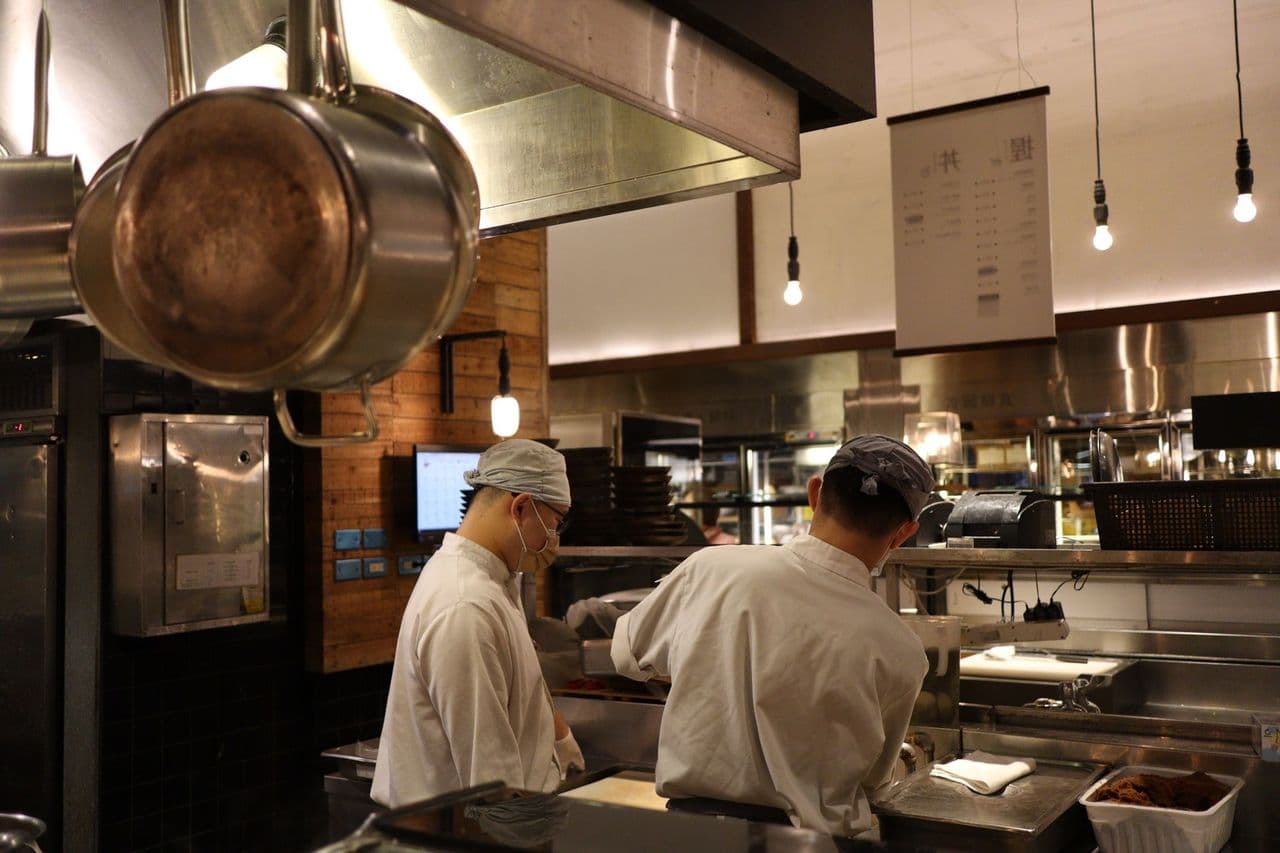
A restaurant's revenue increasingly comes from a channel its own marketing report cannot see. Per the National Restaurant Association's 2026 outlook, more than half of average restaurant traffic now comes from off-premises channels, and Business of Apps' food delivery market data puts the U.S. food delivery market at roughly $105.8 billion in 2026, concentrated mostly in DoorDash, with Uber Eats and Grubhub splitting most of the remainder. Every order placed inside one of those apps is a transaction the restaurant's own GA4 property and Conversion Clarity numbers will never see, because the marketplace, not the restaurant, owns that customer relationship.
Your agency does not need to build delivery-marketplace-aware reporting from scratch to win these accounts. Conduit runs white label reporting for agencies serving restaurant groups: your agency owns the client relationship and sets retail pricing, and Conduit builds the tracking, separates what is actually measurable from what is structurally invisible, and ships the report under your agency's brand.
That distinction matters because a restaurant decision, per BrightLocal's own research, gets made in minutes, sometimes seconds, and the report has to move at the same speed the client's business does: reviews, reservations, and direct orders checked weekly, not quarterly, with a clear line drawn around the delivery-app revenue no digital report can fully attribute.
The category a restaurant operates in is also large enough to justify treating this as a genuine specialty rather than a generic local-business add-on. The National Restaurant Association's 2026 State of the Restaurant Industry report projects total restaurant and foodservice sales to reach $1.55 trillion in 2026, a 4.8% increase over 2025, and a marketing program built for that scale of business needs reporting discipline that matches, not a bolt-on report designed for a much smaller local-service client.
01
Why delivery apps create a permanent blind spot
Third-party delivery has become structural to restaurant revenue whether or not an operator chose to build a strategy around it. That concentration matters for reporting specifically: an order placed through DoorDash generates revenue for the restaurant, but the marketing touchpoint that produced it, whether the diner searched the app directly or arrived there after seeing a Google or Instagram ad, sits in the marketplace's own data, not the restaurant's GTM container.
A report that pretends this gap does not exist either overstates the restaurant's owned-channel performance, by implicitly crediting delivery-driven revenue to organic demand, or understates it, by treating delivery-app orders as a total loss the marketing program had no hand in. Neither framing is accurate, and the useful middle ground is naming the blind spot explicitly: what GA4 and Conversion Clarity can attribute (direct orders, reservations, calls), and what sits structurally outside that system (marketplace-app orders) get reported as two separate categories, not blended into one misleading total.
That separation is also what protects a client relationship from an uncomfortable renewal conversation later. A restaurant owner who sees total revenue rising while a report shows flat owned-channel performance, with no explanation for the gap, starts questioning the whole report's credibility. Naming the delivery-app share directly, even though it cannot be fully attributed to a specific ad, keeps the report accurate about what it actually knows.
The concentration inside that delivery market is also worth reporting on directly rather than treating all third-party volume as one undifferentiated category. Business of Apps' data shows the market genuinely concentrated in a small number of platforms, which means a restaurant negotiating commission rates or promotional placement is dealing with a handful of large counterparties, not a fragmented field, and a report that at least tracks directional order-volume trends by platform, where the platform exposes that data, gives an operator more leverage in that conversation than no visibility at all.
02
What we build for a restaurant report
Every restaurant engagement starts with call tracking on reservation lines and Conversion Clarity numbers routed through whatever online-ordering or reservation platform the location runs, since a diner calling to ask about a large party or a private event is a genuinely different lead than a delivery-app order and needs its own attribution path. GA4 events get mapped to direct-order completion and reservation confirmation separately from simple menu-page views, since a diner browsing a menu and one completing an order are not the same signal.
- Reservation and direct-order events tracked separately from marketplace-app orders, which are flagged as structurally outside GA4's reach rather than ignored
- Review velocity and rating tracked on the same cadence as ad performance, since BrightLocal's own data shows reviews drive the fast local decision this category runs on
- Multi-location reporting segmented by store, not blended into one brand-wide average that hides which location is actually underperforming
- Paid social tracked for engagement and save-to-visit behavior, not last-click ROAS alone, since food content genuinely works as a discovery channel
- Structured data and Google Business Profile completeness checked on a recurring basis, since AI-assisted local discovery increasingly depends on it
That structure is what lets a multi-location group see which specific location's Google Business Profile, review response cadence, and reservation flow are actually working, rather than one brand-wide number that can hide a single underperforming location behind several strong ones.
Online-ordering integration deserves its own reporting line for the same reason. Per Toast's 2026 restaurant industry statistics, 78% of customers using online ordering say it saved them meaningful time, and a report that tracks direct online-order completion separately from a simple menu-page visit shows a client whether its own ordering flow, not just its marketing, is converting the traffic it attracts.
03
The reviews-and-speed edge
Reviews function as the fastest-acting credibility signal in this vertical, and the data backs that up directly. Per BrightLocal's Local Consumer Review Survey 2026, 97% of consumers read reviews before choosing a local business, 85% are more likely to use a business after reading positive reviews, and 77% are put off entirely by negative ones. A restaurant report that tracks ad spend and traffic but leaves review velocity and response rate untracked is missing the input most directly tied to the decision BrightLocal's data shows happens in minutes.
That same survey found AI-tool usage for local discovery rising sharply year over year, which is already reshaping which restaurants get recommended when a diner asks an AI assistant what to eat nearby. A restaurant report increasingly needs to check structured data and Google Business Profile completeness as a standing item, not a launch-week task, since a restaurant with thin or outdated listing data is a weak candidate for that kind of AI-driven recommendation regardless of how strong its paid campaigns look.
Per the same Toast data set, restaurants running a full marketing suite tied to their ordering platform saw 63% more sales than those running ordering and marketing as disconnected systems, which is the clearest evidence that a restaurant's online-ordering experience is not a back-of-house detail separate from the marketing report, it is a core part of what the report needs to measure.
The National Restaurant Association's own data on operational technology adoption reinforces the same point from a different angle: more than 88% of U.S. restaurants are now actively using AI-powered systems for inventory forecasting, scheduling, customer analytics, or digital ordering optimization, per the 2026 State of the Restaurant Industry report, which means the marketing report increasingly needs to plug into the same operational data stack the restaurant is already running, not sit off to the side as a separate system nobody cross-checks.
04
How it runs on GPS
Every engagement starts with GTM, GA4, and Conversion Clarity configured and verified before a single campaign launches, with conversion tracking built to distinguish direct, owned-channel orders and reservations from marketplace-app revenue that sits structurally outside the tracking, rather than a report that quietly pretends both are equally measurable.
Where a multi-location group's POS or reservation system supports it, GPS reporting ties tracked calls and online orders through to actual completed transactions, so revenue attribution can show which location, and which channel, is producing owned, repeatable demand rather than one-time marketplace traffic the restaurant does not control.
Reporting ships under your agency's brand, segmented by location, with review velocity and reservation performance reported alongside paid and organic channel data, since all of it feeds the same fast local decision this category runs on. The same conversion tracking discipline behind that build is what Conduit runs before launching any account in any vertical, adapted here specifically to a category where the transaction itself often happens off the restaurant's own site entirely.
See how this runs under your brand
Twenty minutes with the pod that runs it. Bring one client and we will tell you if it is a fit.
05
Where white label reporting is not the right call
White label reporting is not the right first build for a single-unit, counter-service restaurant with no reservation system and minimal digital ordering, running almost entirely on walk-in traffic and delivery-app volume it does not control. Building granular GA4 and Conversion Clarity tracking on top of a business with almost nothing left for owned-channel attribution to actually measure is over-engineering the report relative to what the operator can act on; a lighter build, review management and Google Business Profile optimization tracked simply, usually serves that client better.
The second edge case is a restaurant group that has fully outsourced its customer relationship to delivery marketplaces by design, running as a virtual or ghost-kitchen brand with no dine-in or direct-order channel at all. In that model, the marketing program is closer to marketplace optimization than owned-channel reporting, and a GPS build scoped around GA4 events and reservation tracking is solving for a customer relationship that structurally does not exist in this business model.
Neither case argues against restaurants as a vertical, it argues for matching the report to how much of the customer relationship the operator actually owns. A full-service, multi-location group with its own reservation and ordering systems and a ghost-kitchen brand running entirely through marketplaces need genuinely different reports, not the same template.
A third, quieter scenario is a very small, single-location restaurant with a stable, loyal local following and no growth ambitions beyond keeping tables full on a normal week. Building multi-location, review-segmented, delivery-aware reporting infrastructure for an operator who mainly wants a simple monthly check on reviews and reservation volume is more report than that business can use, and a lighter build serves both the client's budget and the agency's margin better than the full structure scoped for a growing regional group.
A fourth scenario worth naming is a restaurant that has intentionally chosen not to compete on digital ordering at all, a fine-dining or reservation-only concept where the entire business runs on phone and walk-in reservations with no delivery or online-ordering ambitions. That operator's report should stay simple and centered on reservation volume and review velocity, since building out ecommerce-style order-tracking infrastructure for a business model that structurally does not use it is solving a problem the client does not have.
A fifth, related case is a brand-new opening still building its initial review base and reputation, where the near-term priority is generating the first wave of reviews and establishing basic Google Business Profile visibility rather than optimizing a full multi-channel, multi-location reporting system a brand-new single location has no history to fill in yet. That sequencing mirrors the same pattern seen across several of these verticals: build the credibility and listing foundation first, then layer granular channel attribution on top of it once there is enough transaction history for the attribution to say something real, rather than building a report the account's own volume cannot yet fill with meaningful data, a mismatch that shows up as a client wondering why a report full of empty categories cost as much as a fuller one would have.
06
Common mistakes agencies make
The most common mistake is reporting total revenue as if it were all attributable to the marketing program, ignoring the share moving through delivery marketplaces that sits structurally outside GA4 and Conversion Clarity. The fix is naming that blind spot explicitly in the report rather than letting a client assume every dollar of growth came from the campaigns being paid for. The second mistake is neglecting review velocity in the reporting cadence entirely, when BrightLocal's data shows reviews drive the fast local decision this category runs on more directly than almost any paid channel.
The third mistake is blending multi-location performance into one brand-wide average, which hides exactly which location's Google Business Profile or reservation flow needs attention. The fix is location-segmented reporting from the first month, not a brand-wide rollup that only gets broken apart after an underperforming location has already lost momentum.
A fourth, quieter mistake is judging paid social purely on last-click conversion when Cropink's restaurant social media data shows food content genuinely working as a discovery and save-to-visit channel; the fix is tracking engagement and save behavior alongside direct conversion, not defaulting to the same last-click standard used for a direct-response campaign. A fifth, related mistake is letting structured data and Google Business Profile completeness drift out of date once a location's initial setup is done, at exactly the moment AI-assisted local discovery is becoming a meaningful share of how diners find a restaurant to begin with. A sixth mistake is treating a decline in one location's numbers as a brand-wide problem, or the reverse, ignoring a real brand-wide issue because a couple of strong locations are propping up the average; the fix, again, is location-level reporting that never lets an aggregate number substitute for the individual store's own trend line, checked on the same weekly cadence the rest of this vertical's reporting runs on, so a single struggling location never hides behind a healthy brand-wide number for months before anyone notices.
07
What the first 90 days looks like
The first month is setup: call tracking on reservation lines, GA4 and GTM configured to capture direct orders and reservations, and the delivery-marketplace share of revenue documented explicitly as a separate, structurally untracked category. The second month is when location-segmented reporting goes live alongside review-management cadence and Google Business Profile optimization, with paid social measured on engagement rather than last-click alone.
By the third month, reporting should show owned-channel order and reservation trends by location, with review velocity tracked alongside them, giving your agency's client group a real read on which locations and which channels are building repeatable, owned demand rather than a single blended revenue number that cannot say where the growth actually came from. Delivery-marketplace revenue should already be reported as a clearly separated line by this point too, not folded quietly back into a single top-line total.
A restaurant group weighing whether to build this in-house should run the same white label vs in-house math that applies elsewhere: a generalist hire encountering delivery-marketplace blind spots and multi-location review management for the first time on a live account moves slower than a specialist pod that has already scoped both across multiple restaurant clients. Given a category moving toward $1.55 trillion in total sales, per the National Restaurant Association's own 2026 outlook, the operational maturity a specialist reporting partner brings, knowing where a marketplace blind spot genuinely ends and where owned-channel accountability begins, tends to matter more here than in a smaller, single-channel local vertical. A multi-location group in particular benefits from a partner who has already seen the same location-versus-brand-average reporting mistake play out elsewhere and knows to catch it before an underperforming location quietly drags down a group's overall numbers for months, a pattern-recognition advantage a single-account hire simply has not had the exposure to build yet.


