
White Label Local SEO for Restaurants
Last updated September 2026
White label local SEO for restaurant clients keeps Google Business Profile menus, hours, attributes, and photos current across every location, builds a review-response cadence that survives daily volume, and separates dine-in visibility from delivery-app noise. Conduit prices the program against a $1.55 trillion, review-driven industry, reporting results under your agency's brand.
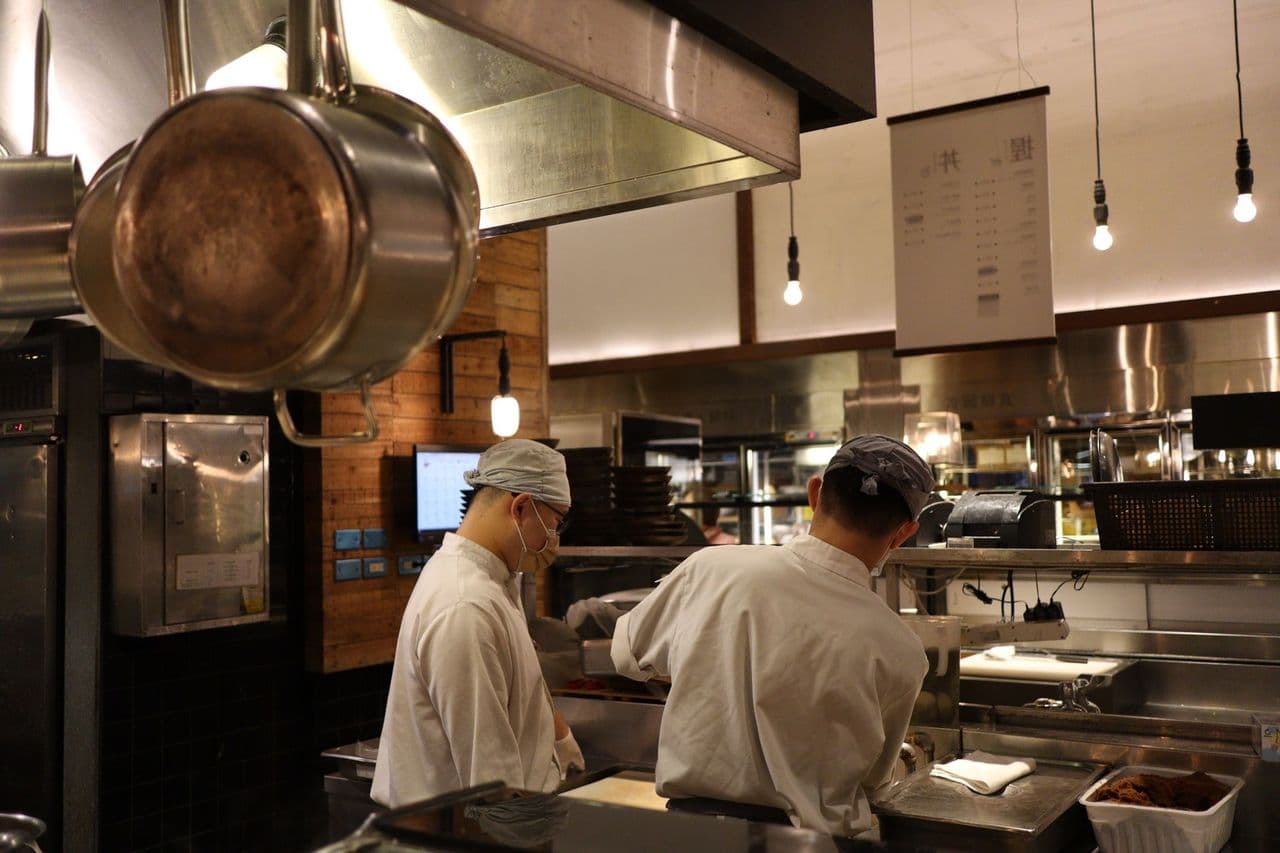
A hungry searcher deciding between three restaurants in a map pack makes that decision in seconds, based almost entirely on photos, star rating, and whether the place looks open and current, not a website visit or a deep comparison. That impulse-driven decision window is what makes restaurant local SEO different from almost every other vertical: the National Restaurant Association's 2026 State of the Restaurant Industry report projects industry sales reaching $1.55 trillion nationwide with real, inflation-adjusted gains of 1.3%, alongside strong pent-up demand to dine out, meaning the demand is there, but it is being split across an enormous number of local options competing for the exact same map-pack real estate.
Your agency does not need to build restaurant-specific local SEO expertise, menu accuracy, a review-response cadence at real daily volume, delivery-app separation, entirely from scratch to win these accounts. Conduit runs white label local SEO for agencies serving restaurant clients: your agency owns the operator relationship and sets retail pricing, and Conduit keeps the Google Business Profile, review program, and location content current across every single unit, day in and day out, entirely under your agency's brand.
That currency requirement is the actual differentiator here. A law firm's Google Business Profile can go untouched for months without real consequence; a restaurant's profile showing last month's holiday hours, a menu missing a recently added item, or three weeks of unanswered reviews is actively steering hungry, decision-in-seconds searchers toward a competitor in real time, which is exactly why restaurant local SEO is one of the least forgiving verticals an agency can run on a set-it-and-forget-it retainer.
01
Why restaurants live or die on the map pack
Per BrightLocal's 2026 Local Consumer Review Survey, 97% of consumers read reviews for local businesses and 31% now require at least 4.5 stars before using one, up sharply from 17% the year before, a genuinely steep bar for a category where a single bad night, a slow table, an off dish, can produce a review that sits at the top of a profile for months. Restaurants operate on thinner review-management margin than most other local verticals: the review is public within minutes of the meal, and the response, if there is one, needs to happen almost as fast to matter.
The National Restaurant Association's own 2026 outlook adds real financial pressure on top of that review dynamic. Per its coverage of persistent cost increases and enduring demand, operators are managing rising costs and a cooling labor market at the same time demand is recovering, which means every covered table matters more, not less, and a map pack ranking that quietly slips because of stale hours or an unanswered review string is a direct hit to a margin that is already under pressure.
02
What third-party delivery apps do to a restaurant's local visibility
Delivery aggregators occupy real estate in a restaurant's local search results whether an operator wants them there or not. Per Business of Apps' food delivery market data, the food delivery app category has grown into a genuinely large, entrenched part of how consumers discover and order from restaurants, which means a restaurant's own Google Business Profile is competing for attention against listings on third-party delivery platforms that frequently outrank the restaurant's own website for delivery-intent searches.
The fix is not fighting the delivery platforms, which most restaurants need for real order volume regardless of SEO strategy, it is making sure the restaurant's own Google Business Profile clearly separates dine-in visibility from delivery and takeout ordering paths, with accurate attributes for both, so a searcher looking for a table gets a clear path to reservations and a searcher looking for delivery gets routed correctly rather than the two intents blurring into one generic, under-optimized listing.
03
Menu, hours, attributes, and photos as ranking signals, not just information
Google's own local ranking guidance treats complete, accurate business information as a direct contributor to relevance, and for a restaurant that completeness bar is unusually specific: current menu items and prices, accurate hours including holiday exceptions, attributes like outdoor seating and dietary accommodations, and fresh photos that reflect what the space and the food actually look like today, not three years ago. Per Cropink's 2026 restaurant social media statistics, food and dining content is among the most visually-driven categories on every platform it tracks, and that visual expectation carries straight into what a searcher expects to see on a Google Business Profile before deciding to walk in.
The practical challenge for a multi-location operator is keeping all of that current across every unit simultaneously, since a seasonal menu change or a holiday hours update needs to roll out consistently, not location by location as someone remembers to update each one. Per Toast's restaurant industry statistics roundup, digital discovery and online ordering now sit at the center of how operators plan for guest acquisition, which raises the operational stakes on getting the profile right at every single location, not just the flagship.
04
What we build for a restaurant account
The build starts with a profile audit across every location: menu accuracy, hours (including seasonal and holiday exceptions), attributes, and photo currency checked against what is actually true today, not what was true at initial setup. From there, a review-response cadence gets built for daily or near-daily volume rather than a weekly check-in, since a restaurant generating reviews every day cannot run the same response rhythm as a firm generating three reviews a month, and dine-in versus delivery and takeout intent gets clearly separated across the profile's attributes and linked ordering paths. Verification also matters more here than in most verticals, since a multi-location operator managing several profiles at once is more exposed to a stale or improperly verified listing slipping through. Per Google's own guidance on verifying your business, verification confirms a business is real and located where it claims to be, and every location gets checked against that standard as part of the initial audit, not assumed to be fine because it was verified correctly years ago.
- 01
Multi-location profile audits checked for menu accuracy, current hours including seasonal exceptions, attributes, and photo currency at every single unit, not just the flagship
- 02
A review-response cadence built for daily volume, not a weekly check-in, matched to the speed at which restaurant reviews actually accumulate
- 03
Clear separation of dine-in versus delivery and takeout intent across profile attributes and ordering links, so neither searcher gets routed incorrectly
- 04
Fresh, accurate photo rotation reflecting the current menu and space, since Cropink's data shows dining content is among the most visually-driven categories tracked
- 05
Google Business Profile verification and health checks against Google's own guidelines to reduce the risk of suspension over inaccurate or stale information
05
Where white label local SEO is not the right call
This is not the strongest fit for every restaurant client. A delivery-only ghost kitchen with no dine-in space and no walk-in traffic gets comparatively little from a traditional map-pack-focused local SEO build, since its actual discovery channel is almost entirely the delivery apps themselves, not a hungry searcher browsing Google Maps for a table. That operator's marketing dollars are better spent on delivery-platform optimization and paid promotion inside those apps than a Google Business Profile program built around dine-in visibility it does not need.
A large multi-location chain, fifty or more units, typically outgrows a boutique local SEO retainer entirely and needs an enterprise listing-management platform built to push menu and hours updates across every location simultaneously, with a level of automation a manual, agency-run local SEO program was not built to replicate at that scale. Scoping the engagement accurately against unit count and business model, delivery-only, dine-in, or enterprise chain, matters more here than defaulting every restaurant client into the same package.
See how this runs under your brand
Twenty minutes with the pod that runs it. Bring one client and we will tell you if it is a fit.
06
Structured data, menu schema, and what Google actually reads
Beyond the Google Business Profile itself, a restaurant's own website benefits from structured data markup that tells Google explicitly what the menu, hours, and price range actually are, rather than relying on the algorithm to infer that information from unstructured page text. Restaurant-specific schema types let a search engine surface specific dishes, prices, and dietary information directly in search results in some cases, which is a meaningfully different, and more clickable, result than a plain blue link to a homepage.
This matters more for restaurants than for almost any other local category because the menu itself is frequently the actual decision-making content a searcher wants before they even open the Google Business Profile: someone deciding between two nearby options is often comparing specific dishes and price points, not just star ratings, and a site with clean, structured menu data gives Google, and by extension the searcher, exactly the information that decision runs on.
The operational challenge mirrors the Google Business Profile currency problem discussed above: schema markup is only useful if it stays synced with the actual, current menu, and a seasonal item removed from the physical menu but still live in the site's structured data creates the same bad experience as an outdated Google Business Profile listing, a customer showing up expecting a dish that no longer exists. The fix is treating menu schema updates as part of the same standing update cadence as the Google Business Profile itself, not a separate, forgotten task handled once at site launch.
For a multi-location operator, this compounds further, since a menu that varies even slightly by location, a regional special, a seasonal item only offered at one unit, needs location-specific structured data, not one shared schema block copied across every location page. Getting this right at scale is exactly the kind of detail-heavy, ongoing technical maintenance a specialist pod running multiple restaurant accounts handles far more consistently than a generalist team touching a restaurant's structured data once during initial site build and rarely revisiting it afterward.
None of this technical layer replaces the Google Business Profile work described earlier, it reinforces it: a searcher who clicks through from the map pack to the restaurant's own website should land on a page that reflects the exact same current menu and hours the profile itself shows, since any mismatch between the two, a menu item on the profile that is not on the site, or vice versa, reads as a credibility gap to both the searcher and, over time, to Google's own trust signals for that listing and the restaurant's standing overall.
07
How it runs on GPS
Every engagement starts with GTM, GA4, and Conversion Clarity configured and verified before optimization work goes live, with conversion tracking built around reservation clicks, direction requests, and phone calls by location, so a multi-unit operator can see which specific restaurant is converting map-pack visibility into actual covers, not just an aggregate brand-level traffic number. That location-level breakdown matters more in restaurants than in almost any other multi-location vertical, since foot traffic and staffing decisions get made unit by unit.
Conversion Clarity tracking by location lets an operator see whether a specific unit's review-response cadence or photo refresh is actually moving reservation or call volume, and reporting ships under your agency's brand with that unit-level detail built in rather than a single blended number that hides which locations are actually performing. The same GPS discipline Conduit runs across every service applies here, adapted to an operator judging results in covers and reservations, not clicks.
That unit-level view also flags a struggling location early: a specific restaurant lagging its sibling locations on reservation conversion despite similar profile completeness usually points to something operational, service, food consistency, staffing, rather than a marketing problem, and surfacing that distinction quickly is worth as much to an operator as the marketing lift itself, since it redirects attention to the actual root cause rather than more ad spend.
08
Common mistakes agencies make
The most common mistake is treating a restaurant's Google Business Profile as a set-it-and-forget-it asset once the initial audit is done, when stale hours, an outdated menu, or weeks of unanswered reviews are actively steering searchers to a competitor in real time. The fix is a standing update and response cadence, not a quarterly check-in. The second mistake is letting delivery-app listings and the restaurant's own Google Business Profile blur together, with no clear separation between dine-in and delivery intent, which confuses both searcher types and dilutes the profile's relevance for either one.
A third mistake is applying a uniform local SEO package regardless of unit count, running a boutique, hands-on program for a fifty-location chain that actually needs enterprise listing-management infrastructure, or conversely over-engineering a heavy program for a single-location operator that needs a simpler, faster-moving retainer. The fix is scoping the engagement to the operator's actual location count and business model before pricing it. A fourth, quieter mistake is neglecting seasonal and holiday hours updates specifically, a gap that produces some of the most visible, most damaging "closed when it should be open" search experiences a restaurant can have.
A fifth mistake is letting a website's structured menu data drift out of sync with the actual, current menu while the Google Business Profile itself gets updated on a tighter cadence, creating a credibility gap between the two surfaces a searcher clicks through between without anyone on the account noticing the mismatch. The fix is treating menu schema updates and Google Business Profile menu updates as one combined task on the same checklist, not two separate workflows running on two separate schedules.
09
What the first 90 days looks like
The first month is a full profile audit across every location: menu accuracy, hours, attributes, and photo currency checked location by location, dine-in and delivery intent separated clearly, and GTM, GA4, and Conversion Clarity configured with tracking tied to reservation clicks, direction requests, and calls by unit. The second month is when the daily-cadence review-response program is fully running and photo and content refreshes start rolling out consistently across every location rather than just the flagship.
By the third month, reporting should show which locations are converting map-pack visibility into covers most effectively, giving your agency a concrete, unit-by-unit conversation with the operator about where the program is working and where a specific location needs more attention. A multi-location operator should expect that data to vary meaningfully unit by unit even within the same brand, since local competition, review history, and even photo quality differ by location regardless of how consistent the brand itself is.
Past the 90-day mark, the daily review-response cadence and the standing menu, hours, and schema-sync checks described earlier become the actual, ongoing product, not a one-time project that winds down once the initial audit is complete. A seasonal menu change, a new location opening, or a holiday calendar shift all need to route through that same standing process every time, which is what keeps a multi-location account from quietly drifting back into the stale-profile problem the original build was meant to fix in the first place, month after month.
Restaurant local SEO rewards a program built to move at the actual daily pace this vertical runs on, not the monthly or quarterly cadence that works for less time-sensitive verticals. That kind of always-on, review-and-photo-current fulfillment, run consistently across every location a multi-unit operator has, is exactly what a specialist pod delivers more reliably than a single generalist managing a restaurant account alongside a dozen slower-moving clients, worth weighing against the white label vs in-house picture before deciding how to staff it.
Key terms


